![]() |
WildWings The Humboldt Current |
||
|
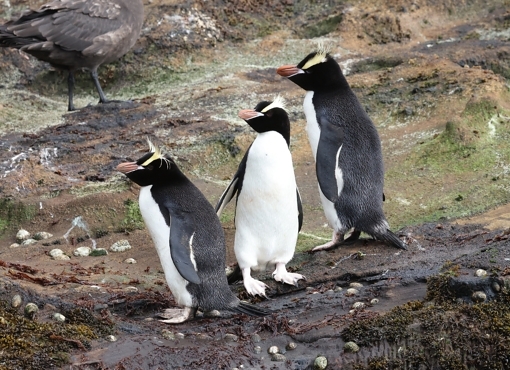
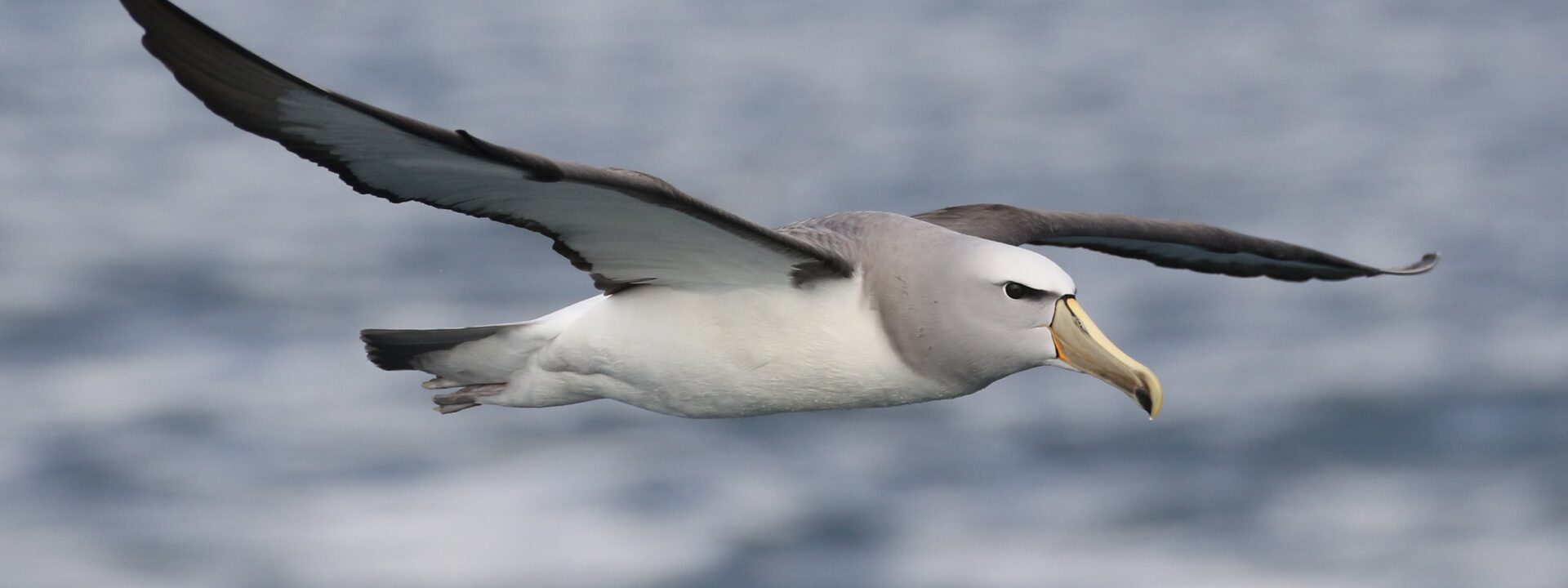
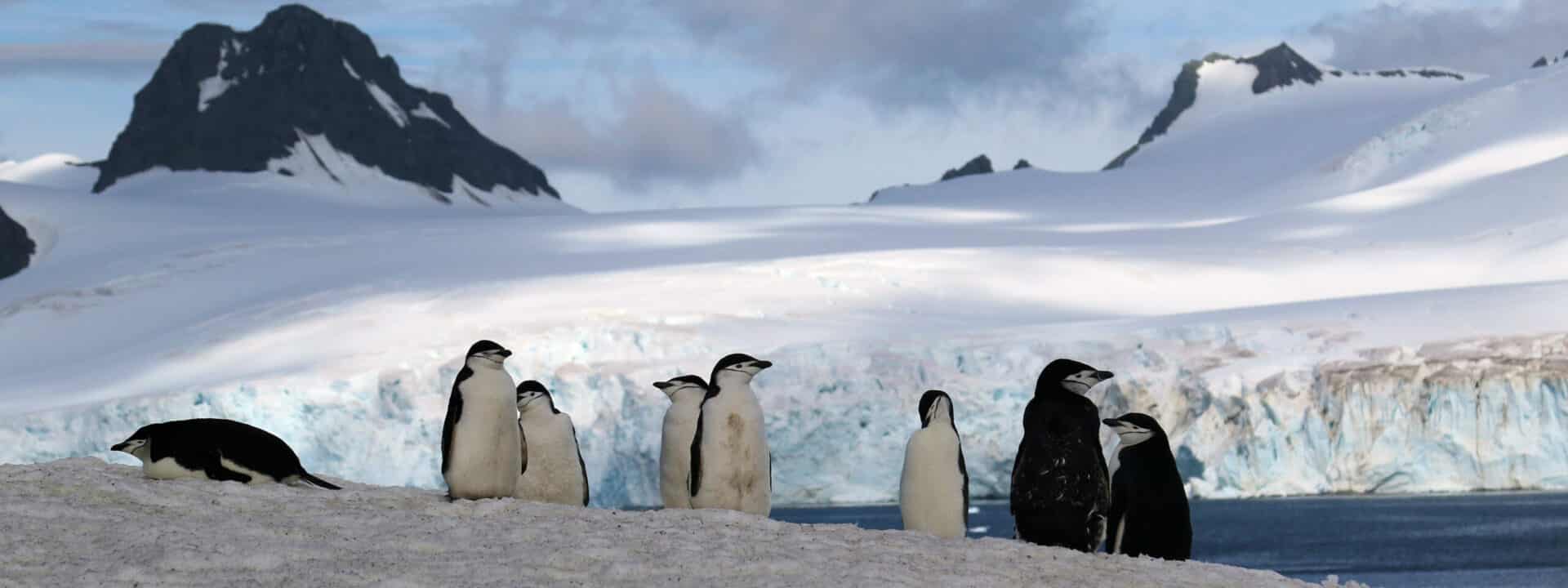
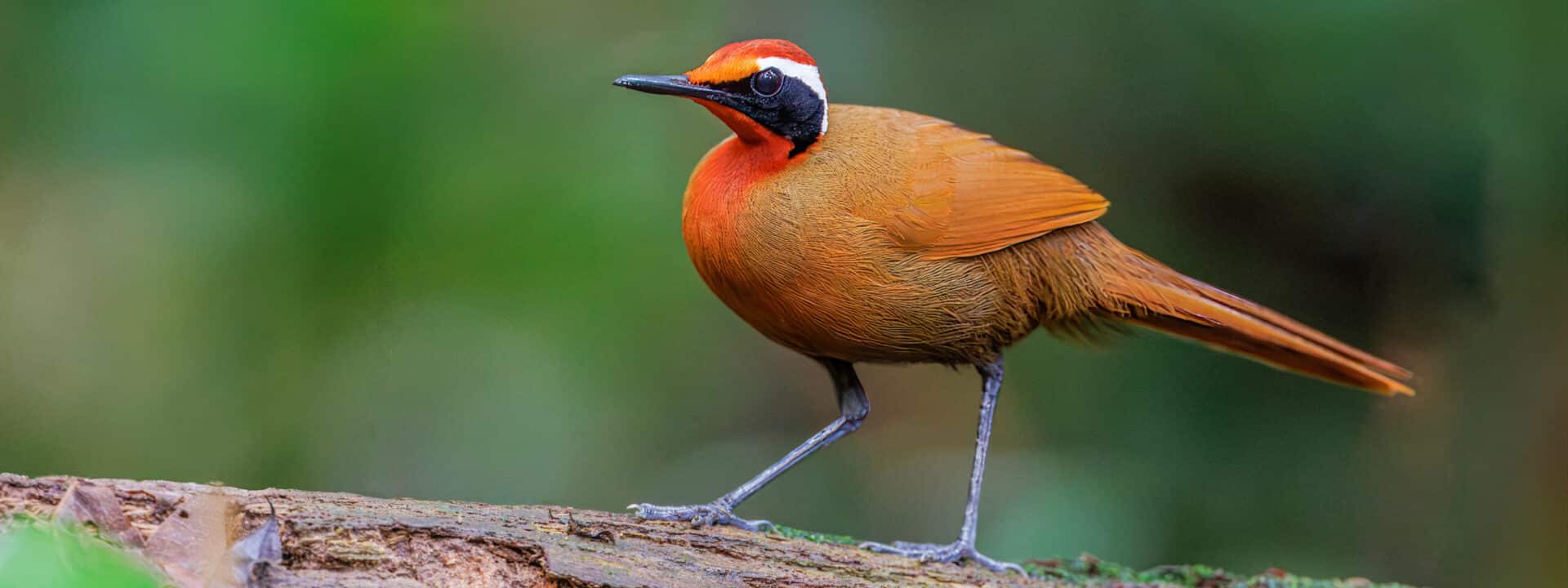
The Pacific coast of South America is home to at least eleven endemic seabirds, along with many species of cetacean. This voyage starts from Peru, sails down the Humboldt Current region, on through the Chilean Fjords, round Cape Horn (with a planned landing) and disembarks at Ushuaia (Tierra del Fuego) in search of many of them. For those who have already visited Antarctica from Argentina, new seabirds should include Humboldt Penguin, Pacific, White-capped, Salvin’s and Waved Albatrossses, Matsierra (De Filippi’s) , Stejneger’s and possibly Juan Fernandez Petrels, Westland Petrel, Pink-footed Shearwater, Elliot’s (White-vented), Markham’s, Galapagos (Wedge-rumped) and Hornby’s (Ringed) Storm-Petrels, Peruvian Diving-Petrel, Peruvian Pelican, Neotropic, Rock, Guanay and Red-legged Cormorants, Gray, Band-tailed and Swallow-tailed Gulls plus Peruvian, Trudeau’s and Inca Terns. As we journey south we will also see a good selection of South American landbirds on our shore excursions and Zodiac cruises. These should include specialities such as Andean Condor, Torrent Duck, Darwin’s Rhea, Magellanic Woodpecker, Peruvian Thicknee, Chucao Tapaculo (cracking birds!), various hummingbirds and much more. Our recce voyage report from last year is now on our website or available from us. An astonising 17 species of cetacean were recorded last year in addition to a number of possibles. They included , Orcas, Southern Rightwhale , Chilean, Peale’s, Dusky and other dolphins, Pygmy Blue, Fin , Sei , Humpback, Pilot and Sperm Whales plus several beaked-whales. Add the outside chance of Burmeister’s Porpoise and Commerson’s Dolphins, just two more reasons to be out on deck all day long.
We will be following in the footsteps of early explorers and naturalists of which Charles Darwin is the most famous. At the beginning of our journey we will sail past the desert coastline of Peru and Chile with the Andes often as a backdrop. We continue on south with spectacular scenery all the way, the Chilean Fjords flanked by glaciers with forested snow-capped mountains and finally the desolation of the Cape Horn itself, where three oceans meet. The opportunities for photography are excellent, both wildlife and landscape.
Our vessel for this voyage will be Polar Star, a former icebreaker converted for expedition cruise use. All cabins are outside, most with windows rather than just portholes, many of which open, and most have private facilities (shower/washbasin and WC) plus plenty of storage space and a writing desk. The ship has a superb observation lounge, a one sitting dining room, wet room, doctor, library, bar, fitness room, laundry and shop. Under Norwegian management and carrying a maximum of 100 passengers, she is equipped with a fleet of Zodiacs for shore excursions and cruising. At most ports of call our group will enjoy exclusive birding excursions although non-birding partners are welcome to join the ship’s more general excursions. An additional highlight for all is the spectacular short flight over the Nazca Lines.
Itinerary
Day 1: Lima. Birding excursion to marsh reserve. Transfer to Callao from Lima, board Polar Star and sail late afternoon. Day 2: At sea we should be seeing species such as Peruvian Booby, Peruvian Diving-Petrel, Markham’s Storm-Petrel and the stunning Inca Tern. We will Zodiac-cruise the ‘seabird’ Islas Ballestras, home of the famous Guanay Cormorants together with Red-legged and Neotropic Cormorants, Peruvian Pelicans whilst Elliot’s Storm-Petrels patter over the waves. South American Sea Lions can be found on the beaches. In the afternoon a planned landing to explore the desert mainland. Day 3: Today we make landfall at Puerto San Juan for a day’s excursion into the Peruvian Desert which will include a short light aircraft flight over the legendary Nazca Lines. We will seek a number of land birds too including Oasis Hummingbird. Day 4: At sea heading south. New seabirds today should include Swallow-tailed Gull, Hornby’s (Ringed) Storm-Petrels (6500 in 2005!), Salvin’s Albatross whilst cetaceans seen on this day previously include Fin, Minke, Sperm and Cuvier’s Beaked-Whales plus dolphins and turtles. These first few days are our best chance for Waved Albatross. Day 5: A morning visit to the town of Arica in Chile. We will seek the amazing Peruvian Sheartail (hummingbird) and endemic Chilean Woostar amongst the local birds. The afternoon will be back at sea, new species may include more southerly birds such as Cape Petrel whilst cetaceans may include Fin Whales. Days 6 & 7: We continue to sail south in the Current. Pterodromas should now start to appear, Matsierra (De Filippi’s) and Stejneger’s Petrels in particular, Juan Fernandez Petrel is also possible. Albatrosses should now include Pacific and Black-browed whilst Humboldt Penguins should also be seen. We will enjoy large numbers of seabirds at times, Sooty and Pink-footed Shearwaters, Red-necked and Grey Phalaropes plus storm-petrels and the real chance of a goodie or two. 2005 yielded Southern Rightwhale Dolphins on this sector. Day 8: Valpariso, Chile is this morning’s landing, we will visit a local estuary with the rest of the day at sea.We will see more of the species we have enjoyed so far with Humboldt Penguins increasing in number in the inshore waters. Day 9: At sea. Heading further south more albatrosses should be appearing, over 30 Northern Royals in 2005. Giant Petrels will be increasing in numbers too, other new species could include Westland Petrel. Any trawlers working in the area should be surrounded by tubenoses. Cetaceans may include Fin, Humpback, Sperm Whale and Risso’s Dolphins. Day 10:Valdiva, Chile. We plan a Zodiac cruise up the river to seek Chilean Dolphins, Snowy-crowned Terns (stunning birds), Black-necked Swans plus some landbirds. Blue Whales have been seen on this day at sea in the afternoon. Day 11: Puerto Montt, Chile. An excursion to the National Park today, birds seeked include Torrent Ducks on a fast flowing river and Chucao Tapaculo along the forest tracks. As we sail back south in the evening we should start seeing our first Magellanic Penguins. Day 12: A day sailing south in the Fjord channels, Zodiac-cruising small islands as we go. We expect our first Peale’s Doilphins today. Day 13: A landing at Puerto Eden, a small community. A pod of Orcas there in 2005. Day 14: We continue south through the Fjords, surrounded by mountains and stunning scenery. Cetaceans could include Orca and Chilean Dolphins. Birds should now include Flightless Steamer Ducks, Kelp, Upland and Ashy-headed Geese, Black-necked Swans whilst high above, Andean Condors soar amongst the crags. Black-browed Albatross and Giant Petrels seem out of place in this scenery. Day 15: Torres Del Paine. We will look for more condors, Lesser Rhea, Silvery and White-tufted Grebes, Lake Duck, Chilean Flamingo and Austral Parakeet and expect to see Guanacos, the wild ancestor of the Llama in this world-famous wilderness. Days 16-18: At sea continuing our voyage through the fjords and the Straits of Magellan and round the bottom of South America heading for the Atlantic Ocean. Additional species to our growing list should include Magellanic Diving-Petrels plus other more southerly species whilst a number of cetaceans are also possible. Glacier visits. Day 19: Cape Horn.Having finally entered the Atlantic, subject to swell conditions ,we plan to land on this most southerly island. Potential birds include Striated Caracara and Blackish Cinclodes (both also found on the Falkland Islands). We then turn north towards the Beagle Channel and journeys end. This last afternoon should yield our final new seabirds, perhaps Grey-headed Albatross, Common Diving-Petrel and prions too. Day 20:We will awake in port in Ushuaia, and disembark after breakfast.
Holiday Information
Tour Leader: Graham Tucker and the ship’s expedition team
Dates:
All prices per person. NB Fuel Surcharges apply. 2006 £250 per person 2007 £170 per person. Deposit : £500
Advance register for November 2008 for only £50 per person.
Price includes: Voyage with accommodation as booked, including all meals (tea, coffee juice and water are always available onboard), Zodiac cruises and landings, port taxes and landing fees, specified shore excursions, lectures and services of expedition team, daily sea watching sessions and evening log (at sea), services of WildWings leader , pre-tour information pack and day by day bird and mammal checklist. Overnight hotel in Lima pre-cruise (B&B) with arrival group transfer from Lima airport, group transfer Lima to port on day of sailing.
Price excludes: Flights (UK Lima, Ushuaia UK from £749), gratuities (suggested US$5-10 per day on board ship), transfers in Ushuaia, travel insurance, optional excursions, other drinks and items of a personal nature. If you wish to stay on in Ushuaia after the voyage we can arrange hotels from £40 per person per night, b&b.
2005 Recce trip report with species list available here or on request.
Note: The itinerary is a guide only, as weather, ice and local conditions will dictate our exact voyage and our landings.
A full colour brochure is also available of the ship. |
||||||||||||||||||||||||||||||||||||||||||
|
WildWings, 577 Fishponds Road, Fishponds, Bristol. BS16 3AF.UK
|
|||||||||||||||||||||||||||||||||||||||||||