
There can surely be few Neotropical mammals that hold the appeal of the Jaguar yet some tour leaders with several months (or even years), experience in Central and South America have only seen one or two. Although they have traditionally been considered a forest species it is now apparent that Jaguars are equally at home in open country and the Pantanal has become the place to see them.


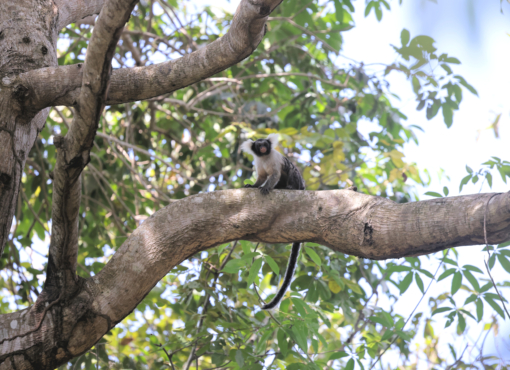
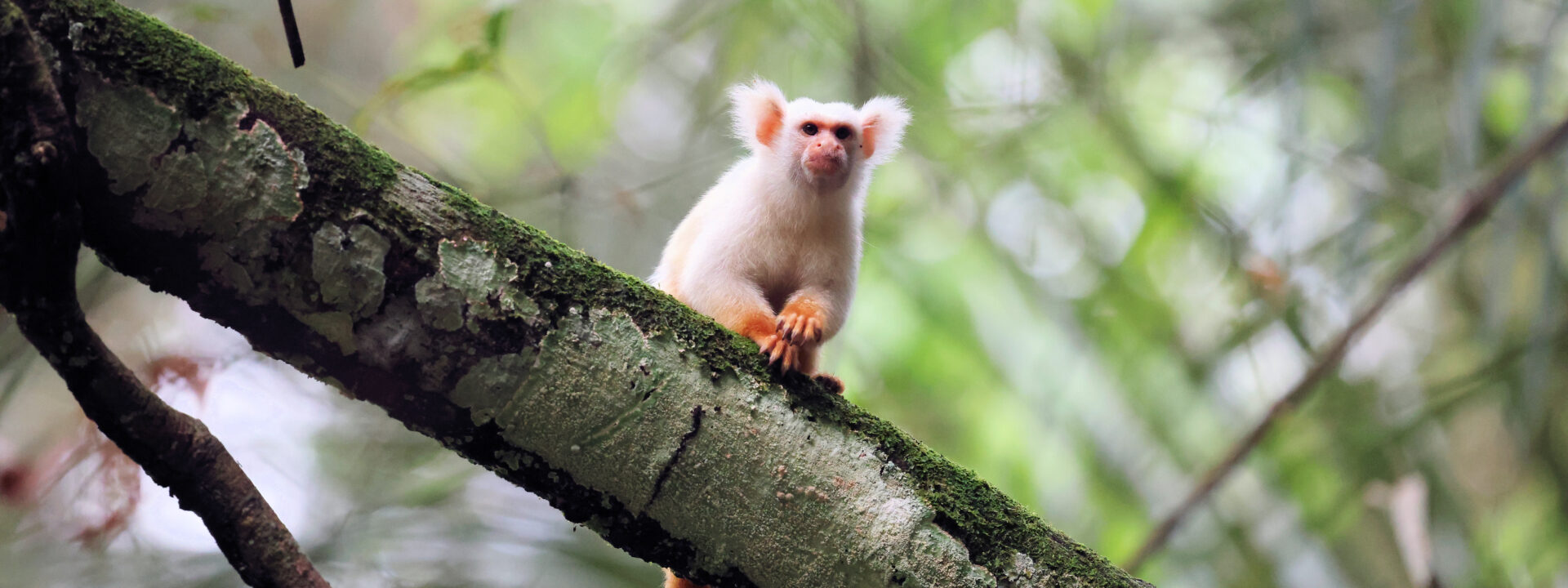
After our two recces during which we saw a total of six Jaguars our inaugural tour in 2004 was a roaring success with no less than four Jaguars seen for prolonged periods at close range. All of our departures since have enjoyed prolonged close views of Jaguars. The first of the 2007 tours came home again with stunning views, two animals in full sunshine on the river bank whilst the second group watched in disbelief as a pair courted and then mated in front of them. Our 2008 departures yielded superb prolonged views again, six Jaguars on the first, two on the second. Our 2009 trip enjoyed no less than seven close encounters with a Jaguar! Our first 2010 saw 44 species of mammal, including four different Jaguars and finally adding Puma and cub to our ever growing multi-year list. The second 2010 trip also enjoyed another four Jaguars including  animals hunting and a pair mating, plus another Puma at only 25 metres range, Ocelot, Margay plus Four Maned Wolves to produce a total of 41 species of mammal! Our 2011 enjoyed great views of two Jaguars. Transpantaneira also holds a range of other cats; Ocelots have been seen on both the recces and most of our departures since, Jaguarundi, Oncilla and Margay have also been seen on some tours over the years too. A wide range of other mammals also occur in the area and we hope to see Giant and Neotropical River Otters, White-lipped and Collared Peccary, Marsh and Red Brocket Deer, Giant Anteater, Southern Tamandua, South American Coati, Crab-eating Fox, Crab-eating Raccoon, Azara’s Agouti, Black-striped Capuchin, Black and Gold Howler and Black-tailed Marmoset. We also hope to see Brazilian Tapir which is usually relatively easy to see in the Pantanal as the flood waters recede. The Pantanal also offers excellent birding and we can expect to see 100+ species in a day including Hyacinth Macaw, Golden-collared Macaw, Sunbittern, Sungrebe and a range of herons and storks including Jabiru. Caiman are abundant and we can expect hundreds in the pools along the road. Snakes including Yellow Anaconda are also possible.


We will spend long hours in the field at dawn and dusk to maximise our chances of seeing Jaguar and other cats, and will spend long hours spotlighting at night. The itinerary in the Pantanal will be kept as flexible as possible to enable us to concentrate on finding any key species that we have yet to see. We will use boats at Porto Jofre to further maximise our chances of seeing Jaguars. There will however be plenty of opportunity to rest and catch up with your sleep during the heat of the day. Our revised itineraries include another full day in the Pantanal plus less time travelling on long road journeys throughout. The best just got better, future participants will enjoy even more time in the field, wildlife watching!


We will also now spend several days in the cerrado of Emas National Park, exploring the open grasslands and scrubby woodlands. Highlights here should include Giant Anteater, Maned Wolf plus good chances of another feline, Pampas Cat. Jaguarundi and Puma also occur here and we have much improved chances of seeing species such as Yellow Armadillo. The Emas area holds a different range of birds to those found in the Pantanal, and we can expect to see a good selection of these hopefully including Cone-billed Tanager, White-winged Nightjar, Helmeted Manakin and the now threatened Yellow-faced Parrot plus more typical species such as Greater Rheas.


This now world-famous tour, designed and pioneered by us in 2004, still provides the same unique opportunity to see some of South America’s most spectacular mammals and birds, with generally excellent photographic opportunities throughout. We now fully maximise our time in the field, rather than wasting time on long road journeys.

Itinerary

Day 1:  Depart London Heathrow late evening.

Days 2:  Arrive Sao Paulo, fly to Campo Grande, drive to Emas NP for four nights.

Days 3-5:  We will spend three full days exploring the park and environs.

Day 6:  Final morning at Emas, afternoon drive back to Camp Grande and overnight.

Day 7:  Late morning flight to Cuiaba and drive to Pixaim and overnight.

Day 8:  Morning boat trip for otters. Afternoon drive to Porte Jofre for three nights.

Days 9&10: Boat trips from Porto Jofre.

Day 11: Drive to Pousada Jaguar and overnight.

Day 12: Drive to Araras Ecolodge for three nights.

Days 13&14: Full days wildlife watching.

Day 15: Last morning in the Pantanal, drive to Cuiaba for flight to Sao Paulo and on to London.

Day 16: Arrive London Heathrow early afternoon.


Holiday Information


Dates: 28th July – 12th August 2012 & 8th – 23rd September 2012

Leaders: Regina Ribeiro and Mark Andrews plus local guides.

Cost: £5495 per person sharing a twin room.

Single supplement: £699

Deposit: £800

Max. Group size: 10


Notes

Accommodation is in tourist class hotels with private facilities.


In the Pantanal temperatures will be high possibly in the 30s during the middle of the day. We will normally spend this time resting. Around Emas temperatures get into the mid-twenties plus during the day, mid-teens at night.


Mosquitoes can be a problem in the Pantanal and appropriate precautions should be taken although there is no malaria in the areas we are visiting.  

Price includes: International and internal economy class flights including pre-paid taxes, all ground transportation, all accommodation and meals, park entry fees, services of WildWings leaders and local guides. Bird and mammal checklist.

Price excludes: Travel insurance, laundry bills, drinks, other items of a personal nature, gratuities.

All the previous trip reports including 2010, some with photos, are available on our website or from us.


Potential mammal list for 2012– includes species seen on one or more of the 2004–2010 tours:


White-eared, Gray Four-eyed, Water & Gray Short-tailed Opossums

Giant Anteater

Southern Tamandua

Giant Armadillo                                                        

Nine-banded Armadillo

Yellow Armadillo

Seven-banded Armadillo

Naked-tailed Armadillo

Seven species of bat including Greater & Lesser Fishing Bat                                                          

Black-striped Capuchin

Brown Capuchin                                                   

Black and Gold Howler                                                       

Black-tailed Marmoset 

Maned Wolf   

Crab-eating Fox

Hoary Fox 

Crab-eating Raccoon

Greater Grison

Bush Dog

Molina’s Hog-nosed Skunk

South American Coati

Neotropical River Otter   

Giant River Otter

Margay

Pampas Cat

Puma   

Ocelot   

Jaguarundi   

Jaguar

Oncilla   

Brazilian Tapir   

Red Brocket Deer

Grey Brocket Deer 

Pampas Deer   

Marsh Deer   

Collared Peccary

White-lipped Peccary

Capybara 

Azara's Agouti 

Paca

Brazilian Rabbit

Tayra

Brazilian Porcupine

Brazilian Cavy 

250+ species of birds.


Brazil Jaguars
Ecuador Mammals and Birds - NEW!
Estonia - NEW!
WildWings Tours List
Welcome
Travel Agency
BirdWatching Introduction
BirdWatching Calendar
WildOceans Introduction
Trinidad & Tobago Introduction
Mammal tours
Wildlife Cruises
Wild Insights
DeepOcean Expeditions
Space Adventures
Tour Reports